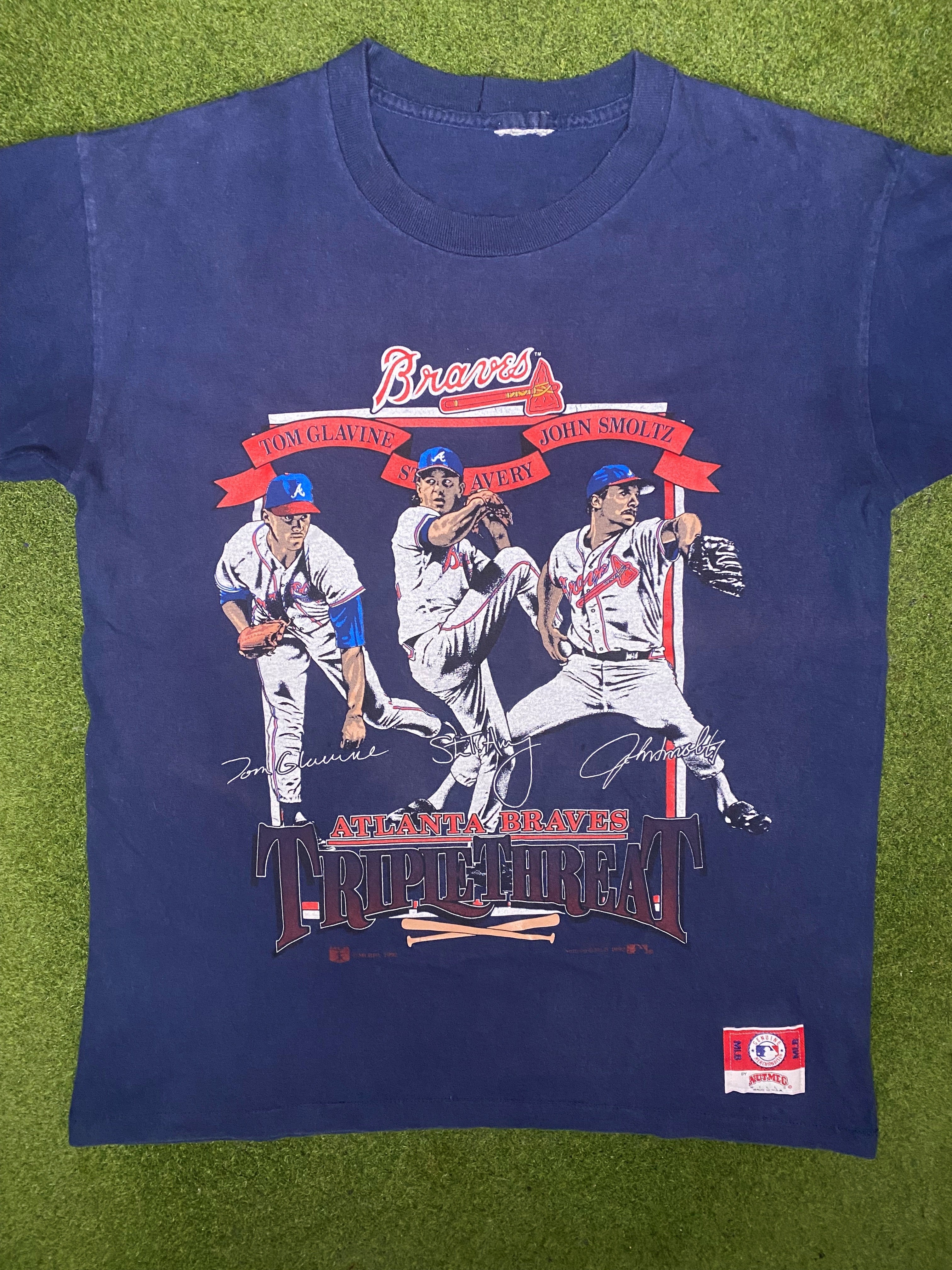
Vintage Vibes: The Forgotten Fashion Icons of the 90s NBA
Introduction: When Basketball Met Attitude
Everyone remembers Michael Jordan’s dominance. Everyone remembers Iverson’s rebellion.
But the 1990s NBA wasn’t just about championships — it was about personality.
It was the decade when players became icons, when tunnel walks met MTV, and when on-court fashion started influencing the streets.
Behind every highlight and headline, there were players quietly shaping a generation’s sense of style — men who didn’t need a runway to start a revolution.
This is their story — the forgotten fashion icons of the 90s NBA.
And their legacy lives on through every piece of vintage NBA gear you’ll find at GametimeVintage.com — where sports history never goes out of style.
The 90s NBA: A Cultural Explosion
The 1990s were basketball’s golden era — not just for gameplay, but for identity.
Cable TV, sneakers, music videos, and endorsements transformed players into global superstars.
The NBA became a lifestyle brand before the term even existed.
Players weren’t just athletes — they were trendsetters.
From bold team warmups to designer off-court fits, every look told a story about swagger, success, and self-expression.
And while MJ and Iverson got the headlines, the league was full of players who helped define the decade’s style language — from hair dye to high fashion.
Dennis Rodman: Chaos as Couture
No one embodied fearless self-expression like Dennis Rodman.
-
Neon hair.
-
Tattoos before they were mainstream.
-
Nose rings, nail polish, and wedding dresses.
Rodman broke every mold the NBA had.
He wasn’t following trends — he was the trend.
In a league of clean suits and media training, Rodman made chaos fashionable.
His unpredictability became his aesthetic.
Off the court, he rocked oversized streetwear, leather jackets, and even high-end designer pieces — creating a fusion of punk, hip-hop, and athletic rebellion.
Today, collectors chase vintage Bulls Rodman jerseys and 90s Pistons gear, all relics of a time when individuality finally had a place in sports — many available at GametimeVintage.com.
Charles Barkley: Business Casual Meets Bad Boy
While Rodman was wild, Charles Barkley was bold in a different way.
On the court, he was a force. Off the court, he was charisma in motion.
He mastered the “big man in big fits” aesthetic — sharp suits, bright ties, and effortless confidence.
Barkley made talk shows his runway and commercials his stage.
He wasn’t trying to be the model — he was the message:
“I’m not a role model. I’m just being me.”
That authenticity — paired with his expressive 90s style — made him relatable and timeless.
Barkley showed that swagger didn’t have to be loud to be powerful.
And his era of Phoenix Suns and 76ers gear still carries that spirit — pieces that remain hot sellers at GametimeVintage.com.
Gary Payton: The Glove with the Gear
Gary Payton was as smooth with his wardrobe as he was with his trash talk.
-
Known for his Seattle SuperSonics green-and-yellow fits.
-
Always seen in sharp leather jackets or coordinated tracksuits.
-
His Nike Zoom GP sneakers mirrored his precision — sleek, technical, and bold.
Payton represented the rise of West Coast cool in the NBA.
His tone, his swagger, his attention to detail — all perfectly reflected the Pacific Northwest’s emerging fashion identity.
The Sonics’ bold color palette made their apparel among the most visually iconic of the decade, and today those neon-trimmed crewnecks and jerseys are some of the most collectible at GametimeVintage.com.
Shaquille O’Neal: The Gentle Giant with Hollywood Style
When Shaq entered the league, he wasn’t just a center — he was an empire in motion.
From Orlando Magic black-and-blue pinstripes to his flashy Lakers purple-and-gold era, Shaq’s size demanded equally big fashion moments.
-
Custom suits and flashy watches off the court.
-
Branded sneakers (Reebok Shaqnosis) that turned heads.
-
Even movie roles (Kazaam, Blue Chips) where he flexed personality as much as power.
Shaq made being larger-than-life look effortless — and his fashion matched that aura.
The oversized Magic tees, baggy warmups, and big-logo gear from the 90s reflect the same energy — all available in vintage form at GametimeVintage.com.
Penny Hardaway: The Smooth Operator
If Rodman was chaos and Shaq was power, Anfernee “Penny” Hardaway was grace.
With his calm demeanor and crisp, minimalist style, Penny became a quiet icon.
He didn’t need flash — his composure was the look.
-
The Orlando Magic black pinstripes became a fashion staple thanks to Penny.
-
His Nike Air Penny sneakers are still among the cleanest designs in basketball history.
-
His “Lil’ Penny” commercials gave him charisma beyond the court.
Penny’s style was subtle but strong — proof that elegance could coexist with edge.
And today, vintage Penny-era gear is prized for that very reason — clean, balanced, and timeless.
Latrell Sprewell: Streetwear Before Streetwear
Before streetwear became mainstream, Latrell Sprewell was already living it.
His swagger, braided hair, and gold chains made him one of the most street-savvy players of the 90s.
Off the court, Sprewell dressed like he played — raw, fast, and unapologetic.
-
Baggy jeans and oversized NBA jackets.
-
Bold jewelry and graphic tees.
-
A defiant attitude that mirrored 90s hip-hop culture.
While controversy often followed him, Sprewell’s authenticity made him unforgettable — and his look perfectly captured the fusion of urban street style and sportswear that defined late-90s fashion.
The Style Formula: Attitude + Authenticity = Influence
Each of these players — Rodman, Barkley, Payton, Shaq, Penny, and Sprewell — approached fashion differently.
But together, they created a new definition of athlete style: authentic, expressive, and unfiltered.
Their influence spread far beyond arenas:
-
Musicians dressed like NBA players.
-
Fans wore their team gear to concerts and clubs.
-
Vintage sportswear brands like Champion, Starter, and Nike became part of everyday wardrobes.
It wasn’t about designer tags. It was about identity — representing your city, your team, and your style in one look.
That same principle drives the modern vintage movement today, led by stores like GametimeVintage.com — where every item tells a story about confidence, culture, and history.
Why 90s NBA Fashion Endures
The 90s were the perfect storm — bold color palettes, bigger personalities, and the birth of global sports marketing.
Those decades didn’t just produce players — they produced archetypes:
-
The rebel (Rodman)
-
The leader (Barkley)
-
The technician (Payton)
-
The star (Shaq)
-
The smooth operator (Penny)
-
The street kid (Sprewell)
Each one left behind visual fingerprints that modern athletes still emulate.
That’s why 90s NBA gear remains among the most desirable vintage apparel on the planet — authentic, vibrant, and dripping with nostalgia.
The Collector’s Goldmine: 90s NBA Gear
For collectors and fans alike, this era is a treasure chest.
Top vintage pieces include:
-
Chicago Bulls crewnecks and championship tees.
-
Orlando Magic Starter jackets and pinstripe jerseys.
-
Sonics sweatshirts with neon details.
-
Phoenix Suns graphic tees from Barkley’s MVP years.
-
90s NBA All-Star Weekend apparel — known for bold, unforgettable designs.
Each item represents a moment in basketball history, frozen in fabric — and you can find them all at GametimeVintage.com, curated for true fans of the game’s golden decade.
The Modern Echo: Fashion Comes Full Circle
Today, the fashion world is obsessed with the 90s — and for good reason.
-
Designers like Fear of God, Supreme, and Kith draw directly from vintage NBA aesthetics.
-
Modern players like Shai Gilgeous-Alexander, Jordan Clarkson, and LeBron James channel 90s energy in their tunnel fits.
-
Celebrities from Drake to Travis Scott regularly wear vintage NBA jackets and tees.
What was once game-day gear is now global fashion currency.
And that cyclical return only proves one thing — the 90s never left.
Conclusion: Legends of Style, Not Just Sport
The forgotten fashion icons of the 90s NBA weren’t just hoopers — they were cultural architects.
They didn’t wait for permission to express themselves; they set the standard for authenticity in an era that demanded conformity.
Their style was as bold as their play. Their confidence, unmatched.
They walked into arenas wearing their identity — and decades later, we’re still wearing theirs.
You can relive that golden era through the threads that defined it — authentic, original, and full of history — all waiting for you at GametimeVintage.com.
Because the real MVPs of 90s fashion didn’t need a runway.
They had hardwood.