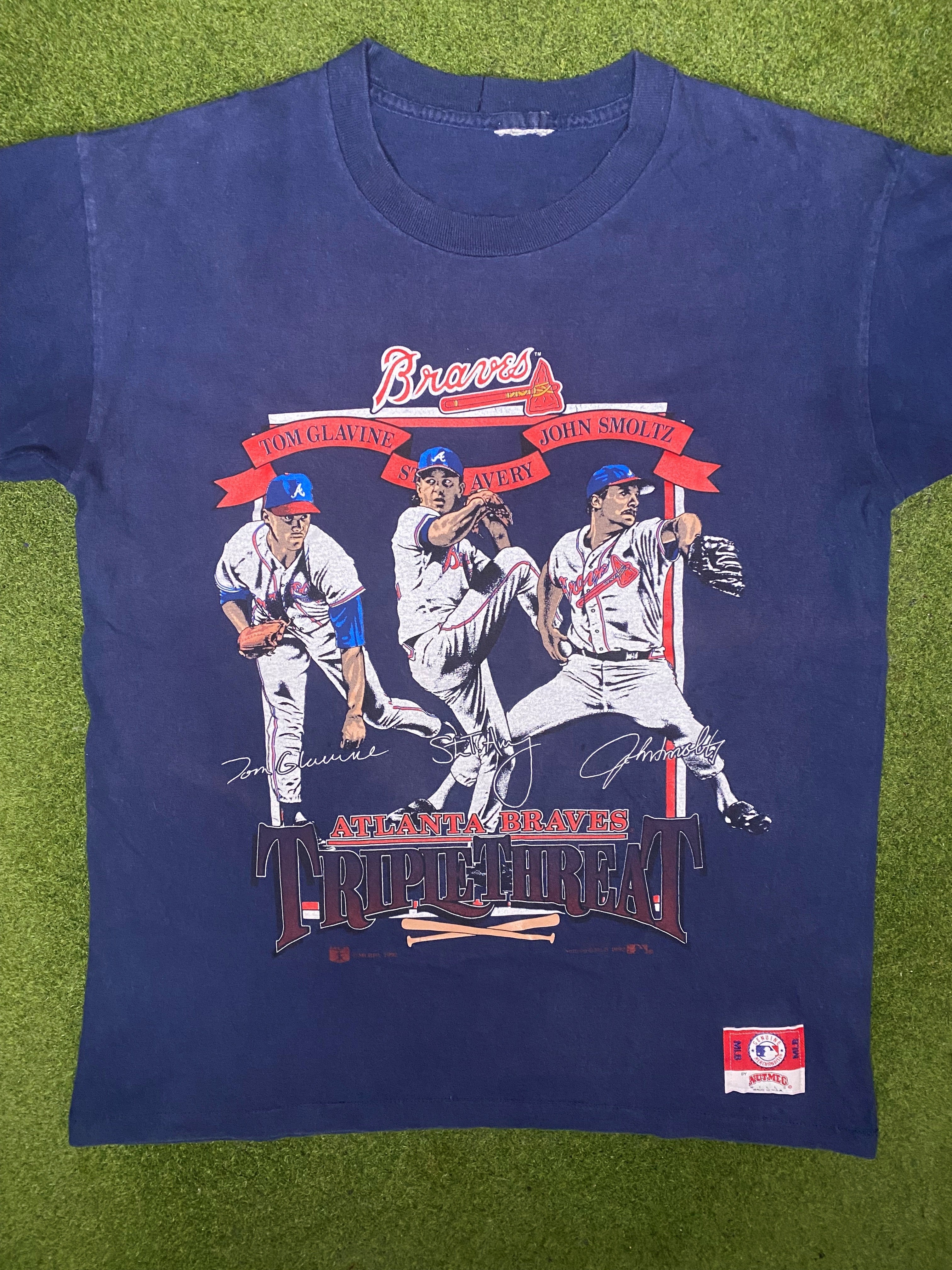
The Rise of Vintage Sports Fashion: How Jerseys, Hats, and Sweatshirts Became Streetwear
Introduction: When Sportswear Became Everyday Wear
Once upon a time, sports gear was just for the field or the stands. Fans wore jerseys on game day, players wore uniforms, and that was about it. But by the late 20th century, something shifted: sportswear became fashion.
Today, vintage jerseys, snapback hats, and old-school sweatshirts aren’t just fan gear—they’re style statements worn on city streets, in music videos, and on fashion runways. From the NBA’s bold 90s designs to retro NFL hoodies, vintage sports fashion has exploded in popularity, combining nostalgia, authenticity, and style.
This deep dive explores the history of sports fashion, how it became streetwear, and why vintage sportswear has become a global trend embraced by athletes, celebrities, and fans alike.
The Roots: Sportswear as Utility (1900s–1950s)
In the early 20th century, sports apparel was functional.
-
Baseball jerseys were made of wool, designed for durability rather than comfort.
-
College sweatshirts were worn by athletes during training, not by fans.
-
Letterman jackets started in the 1920s, symbolizing school pride.
At this stage, sports gear wasn’t fashion—it was performance wear. Fans showed loyalty through pennants and hats, not by dressing like athletes.
The Fan Gear Boom (1960s–1980s)
The turning point came in the postwar era. As television made sports mainstream, fans wanted to feel closer to their teams.
-
Replica jerseys started being sold to fans in the 1960s.
-
Team-branded T-shirts and jackets appeared in sporting goods stores.
-
The starter pistol for sports fashion: Starter Jackets (1970s–80s), which turned team apparel into must-have items for kids and teens.
By the 1980s, wearing your team’s colors wasn’t just about game day—it was part of your personal style.
The 1990s: When Sportswear Became Streetwear
The 1990s were the golden era of vintage sports fashion.
-
Hip-hop culture adopted oversized jerseys, snapbacks, and sweatshirts as part of its uniform. Artists like Tupac, Jay-Z, and TLC made jerseys street staples.
-
NBA expansion teams like the Charlotte Hornets and Toronto Raptors introduced bold teal and purple color schemes that became fashion icons.
-
Starter jackets reached their peak—everyone wanted that satin bomber with their favorite team’s logo.
-
MLB and NFL throwbacks exploded in popularity, fueled by nostalgia and by brands like Mitchell & Ness.
This era cemented sportswear as streetwear, blending athletic loyalty with urban identity.
2000s: The Celebrity Effect
By the 2000s, sports fashion became global.
-
Allen Iverson brought NBA style to the forefront with his baggy jerseys and tattoos.
-
Celebrities like Nelly, P. Diddy, and Eminem regularly appeared in jerseys and fitted caps.
-
The rise of luxury-sports crossovers saw brands like Nike, Adidas, and Reebok collaborating with fashion labels.
Vintage designs began reappearing as throwback collections, making fans realize that older logos, colors, and fits were often cooler than the new ones.
2010s: Nostalgia and the Vintage Explosion
In the 2010s, vintage fashion took over streetwear.
-
Thrift shopping and retro culture made old-school jerseys and sweatshirts trendy again.
-
Instagram and TikTok influencers showcased vintage sports gear as outfits, not just fan gear.
-
Mitchell & Ness throwbacks became a staple in NBA fashion culture.
-
The resale market exploded, with vintage pieces selling for hundreds of dollars online.
Fans weren’t just repping their team—they were repping an era. Wearing a vintage 90s Bulls sweatshirt wasn’t about Chicago—it was about owning a piece of basketball history.
Today: Vintage as Global Streetwear
Now, vintage sports fashion is bigger than ever.
-
Celebrities like Drake, Kendall Jenner, and Travis Scott wear vintage jerseys and sweatshirts as style pieces.
-
Gen Z consumers are obsessed with authenticity, preferring one-of-a-kind vintage over mass-produced new items.
-
Vintage gear is featured in fashion runways and sneaker drops, blurring the line between sports and high fashion.
-
Stores like GametimeVintage.com are fueling the movement, curating authentic 80s, 90s, and 2000s sportswear for fans and collectors.
Why Vintage Sportswear Is So Popular
The boom in vintage sports fashion comes down to three key factors:
-
Nostalgia – Wearing a 90s Hornets hat or a vintage Dolphins sweatshirt takes fans back to their childhood.
-
Authenticity – Vintage gear feels unique and one-of-a-kind in a world of mass-produced clothing.
-
Versatility – A vintage jersey can be styled in streetwear, high fashion, or casual outfits, making it timeless.
Vintage sports fashion offers heritage with style—something modern fast fashion can’t replicate.
The Most Iconic Vintage Sports Pieces
Some items stand out as legendary in vintage fashion:
-
Starter Jackets (NBA/NFL/MLB) – Satin team jackets from the 80s and 90s remain highly collectible.
-
NBA 90s Jerseys – Bold designs like the Raptors’ dinosaur, Grizzlies’ teal bear, and Suns’ sunburst.
-
Vintage NFL Crewnecks – Oversized sweatshirts with bold graphics and team logos.
-
Snapback Hats – The 90s Starter snapbacks remain the ultimate retro accessory.
-
College Team Sweatshirts – Old-school NCAA gear has become a streetwear staple.
Vintage Sportswear in Pop Culture
Sports fashion has been deeply tied to music and film:
-
Hip-Hop: Rappers like Nas, LL Cool J, and OutKast wore oversized jerseys as part of their image.
-
Movies: Films like Space Jam immortalized NBA jerseys as fashion icons.
-
Today: Artists like A$AP Rocky and Kanye West have revived vintage sportswear in modern streetwear collections.
Vintage gear isn’t just clothing—it’s culture.
The Future of Vintage Sports Fashion
With nostalgia at an all-time high, vintage sports fashion isn’t slowing down:
-
Sustainability: Consumers are turning to vintage as a way to recycle and reduce fast fashion waste.
-
Digital influence: TikTok and Instagram continue to showcase vintage sports outfits.
-
Limited Supply: As authentic vintage becomes rarer, demand (and value) will only rise.
-
Crossovers: Expect more collabs between vintage sportswear and sneaker culture.
The future is clear: vintage sports fashion will continue to grow as both a cultural movement and a collector’s market.
Conclusion: More Than Clothes, It’s Culture
From utility uniforms to hip-hop staples to global fashion icons, sportswear has undergone a dramatic transformation. And at the center of today’s trend is vintage sports fashion—authentic, nostalgic, and timeless.
Vintage jerseys, hats, and sweatshirts aren’t just clothing items. They’re pieces of history, carrying memories of players, games, and eras that shaped sports culture.
At GametimeVintage.com, every piece tells a story. And for fans and collectors alike, vintage sports fashion isn’t just style—it’s identity.