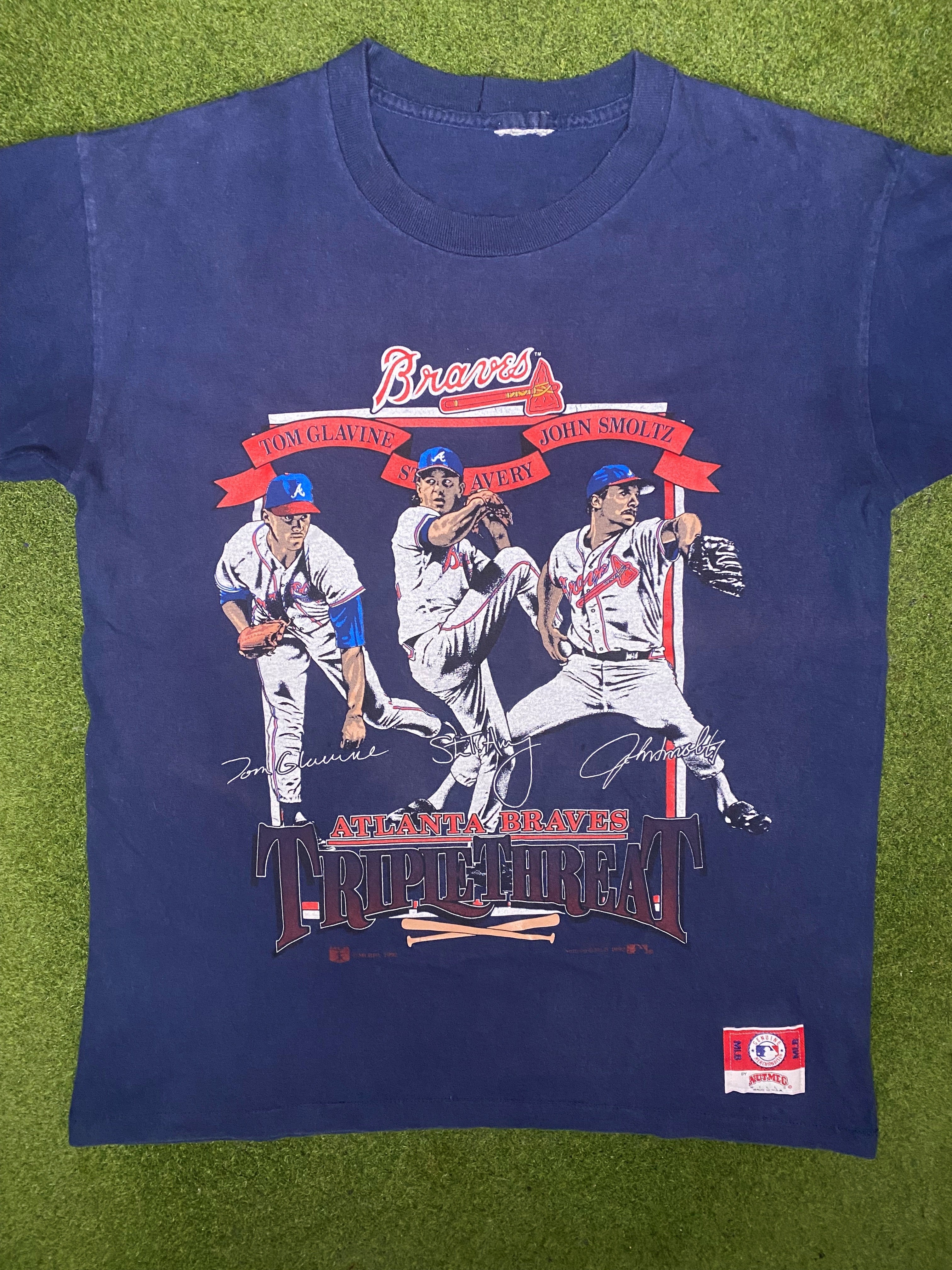
The History of Sports Memorabilia Collecting: From Autographs to Million-Dollar Auctions
Introduction: When Fandom Becomes History
Sports are about more than just games—they’re about memories. And for over a century, fans have preserved those memories through sports memorabilia. From Babe Ruth autographs to PSA-graded trading cards and game-worn jerseys, memorabilia collecting has evolved into a multi-billion-dollar industry.
What started as kids chasing autographs has become a global marketplace where jerseys sell for millions and rare baseball cards are treated like fine art. This article explores the history of sports memorabilia collecting, its rise, its cultural impact, and why it remains one of the most fascinating parts of sports culture.
The Early Days: Autographs and Keepsakes (1800s–1930s)
The origins of sports memorabilia date back to the late 19th century, when fans sought personal mementos.
-
Autographs: Players like Ty Cobb and Babe Ruth were chased by kids with scorecards and scraps of paper.
-
Game Programs and Tickets: Fans held onto items as souvenirs of major games.
-
Tobacco and Gum Cards: Early trading cards in cigarette packs (1880s–1900s) and later gum packs (1930s Goudey cards) introduced the first mass-produced collectibles.
At this stage, memorabilia wasn’t about money—it was about connection. Fans wanted a piece of their heroes.
The Golden Age: Babe Ruth and Baseball’s Boom (1930s–1950s)
The rise of baseball as America’s pastime fueled the growth of memorabilia.
-
Babe Ruth’s signature became the most sought-after autograph in sports. Even today, his memorabilia sets records at auction.
-
Game-used bats and balls began appearing in collections, though often without authentication.
-
The 1952 Topps Mickey Mantle card emerged as a holy grail for collectors, symbolizing the golden age of trading cards.
This era cemented the idea that memorabilia could hold both emotional and monetary value.
The Birth of Organized Collecting (1960s–1980s)
By the 1960s, sports memorabilia was no longer just for kids—it was becoming a serious hobby.
-
Sports card conventions began popping up across the U.S.
-
Collectors sought signed baseballs, gloves, and jerseys, often directly from players.
-
Companies like Topps dominated the trading card market.
-
Autograph dealers and early authenticators emerged, helping collectors trust what they were buying.
Memorabilia collecting became a recognized subculture, setting the stage for the boom to come.
The Boom of the 1990s: Cards, Jerseys, and Auctions
The 1990s were a turning point. Sports memorabilia exploded in popularity—and value.
-
Trading Card Boom: Companies like Upper Deck introduced holograms, autographs, and jersey patch cards, making packs exciting and valuable.
-
Autographed Jerseys: Signed, game-worn jerseys became the centerpiece of collections.
-
Major Auctions: Auction houses like Sotheby’s and Christie’s began hosting sports memorabilia sales, elevating collectibles into the realm of fine art.
Downside: Overproduction of cards during this era (the “Junk Wax Era”) led to market saturation. But high-end items—like Ruth bats, Jordan jerseys, and Gretzky sticks—soared in value.
The Modern Era: Authentication and Technology (2000s–Present)
Today, sports memorabilia is a global industry worth billions.
Authentication Becomes Essential
-
Companies like PSA/DNA, JSA, and Beckett authenticate autographs and grade trading cards.
-
A PSA 10 card can sell for 100x more than an ungraded version.
-
Holograms and serial numbers protect against forgeries.
Game-Worn Collectibles
-
Jerseys, cleats, and helmets used in actual games are now highly sought after.
-
The NBA and NFL often certify items worn during specific games.
-
These items sell for six or seven figures at auction.
Auction Records
-
Michael Jordan’s 1998 “Last Dance” Finals jersey sold for $10.1 million (2022).
-
Babe Ruth’s 1928–30 Yankees jersey sold for $5.64 million.
-
Tom Brady’s final touchdown ball (initially) was valued at over $500,000.
Sports memorabilia is now a legitimate investment class.
Why Fans Collect Sports Memorabilia
The passion behind memorabilia goes beyond money. Collectors are driven by:
-
Nostalgia – Reliving childhood moments and favorite teams.
-
Connection – Owning a piece of history feels like owning part of the game itself.
-
Investment – Rare items appreciate in value, often outperforming traditional markets.
-
Status – High-end collectors compete for one-of-a-kind treasures.
For many, memorabilia is both personal and profitable.
Types of Sports Memorabilia
The hobby is diverse, with collectors specializing in different categories:
-
Autographs (balls, bats, jerseys, cards).
-
Trading Cards (vintage and modern PSA-graded cards).
-
Game-Used Items (jerseys, gloves, helmets, shoes).
-
Tickets and Programs (historic games, championships).
-
Trophies and Awards (occasionally make it to auction).
Each piece tells a story—and collectors often focus on the era or athlete they love most.
Memorabilia in Pop Culture
Sports memorabilia has long appeared in movies, TV, and music.
-
In The Sandlot, the kids accidentally ruin a Babe Ruth-signed baseball—highlighting the card and autograph craze of the era.
-
Rap and hip-hop artists often wear vintage jerseys in music videos, blending sports memorabilia with fashion.
-
ESPN’s documentaries frequently showcase collectors and historic items.
Memorabilia isn’t just for die-hard fans—it’s woven into popular culture.
The Future of Sports Collecting
As the industry grows, trends point to even more innovation:
-
Digital Memorabilia: NFTs like NBA Top Shot offer digital highlights as collectibles.
-
Hybrid Collectibles: Cards tied to blockchain with physical counterparts.
-
Esports and Women’s Sports: Growing markets that will expand memorabilia beyond traditional leagues.
-
Globalization: Demand is booming in markets like Asia and Europe, making memorabilia an international phenomenon.
One thing is clear: as long as sports exist, fans will want to hold onto a piece of the action.
Conclusion: From Souvenirs to Millions
The history of sports memorabilia is a story of fandom becoming history. What began as kids chasing Babe Ruth for an autograph has evolved into multi-million-dollar auctions and global investment markets.
Yet at its core, memorabilia collecting is about connection—to players, to moments, and to the emotions sports create. Whether it’s a ticket stub, a signed jersey, or a PSA 10 trading card, these items are more than collectibles. They are memories made tangible.
And for fans and collectors alike, they’ll always hold priceless value.