Neon Nights and Halftime Lights: How the 80s Made Sports Fashion Flashy
Introduction: When Sports Met Spectacle
Before the 1980s, sports uniforms were simple — solid colors, minimal branding, and utilitarian designs meant for performance, not fashion.
Then came the 80s.
A decade of big hair, bold colors, and louder personalities, the 1980s transformed everything it touched — including the world of sportswear.
From neon tracksuits to metallic warm-ups, the 80s made sports fashion impossible to ignore.
This was the era when athletes became celebrities, teams became brands, and style became part of the scoreboard.
Welcome to the decade where sports went from competition to culture — glowing under the halftime lights.
The Cultural Backdrop: America in Full Color
The 1980s were pure energy. MTV ruled the airwaves, malls were the new hangouts, and pop culture embraced boldness.
-
Television and advertising exploded with saturated color palettes.
-
Fitness culture boomed thanks to Jane Fonda and the rise of aerobics.
-
Music videos turned fashion into performance art.
Athletic brands took notice.
If the 70s were about function, the 80s were about flash — a perfect match for America’s obsession with self-expression.
The Rise of Performance Meets Personality
The 80s introduced something revolutionary: athletes as fashion icons.
-
Endorsements skyrocketed — from Michael Jordan and Nike to Bo Jackson and Adidas.
-
Sports stars became global personalities, influencing not just how fans played, but how they dressed.
-
Brands shifted focus from locker room to lifestyle — making gear that looked just as good off the field.
Tracksuits, sneakers, and warm-ups became the new everyday wear — blurring the line between athlete and fan.
The Neon Explosion: Standing Out to Be Seen
Neon wasn’t a color — it was an attitude.
-
Teams and brands embraced fluorescent palettes: electric blues, hot pinks, lime greens, and oranges.
-
Stadiums lit up with brightly colored uniforms and flashy signage.
-
Warm-ups and tracksuits became canvases for bold, graphic design.
It wasn’t subtle — and that was the point.
The 80s celebrated visibility, confidence, and motion.
Whether you were running laps or running errands, the brighter, the better.
The Fabric Revolution: Shiny, Sleek, and Synthetic
New textile technology gave rise to a completely different look and feel.
-
Nylon, polyester, and spandex replaced cotton and wool.
-
These fabrics reflected light, held color, and stretched for performance.
-
Windbreakers, breakaway pants, and tearaway warm-ups dominated both pro sports and streetwear.
Brands like Adidas, Puma, Nike, and Lotto experimented with glossy finishes, reflective stripes, and metallic trims.
Athletes glowed under stadium lights — and fans wanted that same shimmer.
The Power of Branding: Logos Go Big
The 80s marked the moment when logos got loud.
-
Nike’s Swoosh, Adidas’ Trefoil, and Reebok’s Union Jack became global icons.
-
Teams began enlarging logos on jerseys, hats, and jackets for instant recognition.
-
Starter entered the scene with official league licensing, plastering team emblems across jackets and caps.
The age of subtlety was over.
Sports fashion became wearable advertising — and everyone wanted in.
Courtside Glamour: The NBA’s Style Surge
No league embodied 80s fashion like the NBA.
-
The Los Angeles Lakers’ Showtime era embodied flash — gold jerseys, white sneakers, and charisma for days.
-
Larry Bird and Magic Johnson made on-court style part of their rivalry.
-
Teams like the Denver Nuggets debuted rainbow skylines and bold typography.
Even warm-ups became status pieces — silky, color-blocked jackets with bold stripes and embroidered logos.
Fans started buying replicas, turning sideline fashion into streetwear long before the term existed.
On the Gridiron: NFL Gear Gets Flashy Too
Football, the ultimate tough-guy sport, got a technicolor makeover.
-
Teams like the Miami Dolphins, Denver Broncos, and San Diego Chargers introduced vibrant hues that stood out on TV.
-
Starter and Apex licensed official NFL jackets — shiny satin versions that became cultural icons.
-
Cheerleading uniforms and team accessories influenced fan gear, bringing bright colors and bold design into mainstream fashion.
What was once rugged became refined — and resellable.
The Diamond and the Dugout: MLB’s Bold Rebrands
Baseball, traditionally conservative, wasn’t immune to the 80s glow-up.
-
The Houston Astros’ “Tequila Sunrise” uniforms were pure spectacle — horizontal rainbow stripes across the chest.
-
The Pittsburgh Pirates rocked mustard yellow, black pinstripes, and pillbox caps.
-
The Montreal Expos introduced a tricolor logo that still tops “best of all time” lists.
Every ballpark became a runway.
MLB’s visual diversity turned America’s pastime into America’s color palette.
The Crossover Effect: Fitness, Pop, and Street Culture
Sports fashion didn’t stay in the stadium — it hit the streets, the gym, and MTV.
-
Aerobics and fitness videos brought leg warmers, headbands, and spandex shorts into daily wear.
-
Hip-hop pioneers like RUN-D.M.C. wore Adidas tracksuits as symbols of identity and power.
-
Pop stars like Prince, Madonna, and Michael Jackson adopted athletic silhouettes, blending dance and sportswear effortlessly.
The 80s proved that athletic gear could be fashion-forward, and that fashion could move.
Starter Jackets: The Crown Jewel of 80s Sportswear
The late 80s saw the rise of a true cultural phenomenon: the Starter jacket.
-
Glossy satin fabric.
-
Oversized embroidered logos.
-
Snapped cuffs and striped trim.
Starter turned team pride into status.
Whether you supported the Cowboys, Lakers, or Raiders, that shiny jacket told the world who you were.
For many, owning a Starter jacket meant you weren’t just a fan — you were part of the team.
Decades later, they remain some of the most coveted pieces in vintage sports fashion.
Why 80s Sports Fashion Worked
The 80s had no chill — and that’s why it worked.
-
Confidence – People wanted to stand out, not blend in.
-
Technology – New materials made innovation possible.
-
Crossover Appeal – Sportswear moved effortlessly between gym, street, and nightlife.
-
Global Reach – Cable TV and sponsorships made teams and logos worldwide symbols.
The 80s didn’t just sell products — it sold personality.
The Legacy of 80s Sportswear
Even decades later, the DNA of 80s sports fashion is everywhere.
-
Retro reissues by Nike, Adidas, and Puma celebrate neon palettes and glossy fabrics.
-
Modern streetwear brands borrow heavily from 80s design cues — bold color blocking, oversized fits, and statement branding.
-
Vintage collectors crave authentic 80s pieces for their craftsmanship and nostalgia.
From retro NBA windbreakers to fluorescent track jackets, 80s designs are still the blueprint for athletic style done right.
Collecting 80s Flash: Why Vintage Matters
Owning an authentic 80s sportswear piece means owning a slice of pop culture.
-
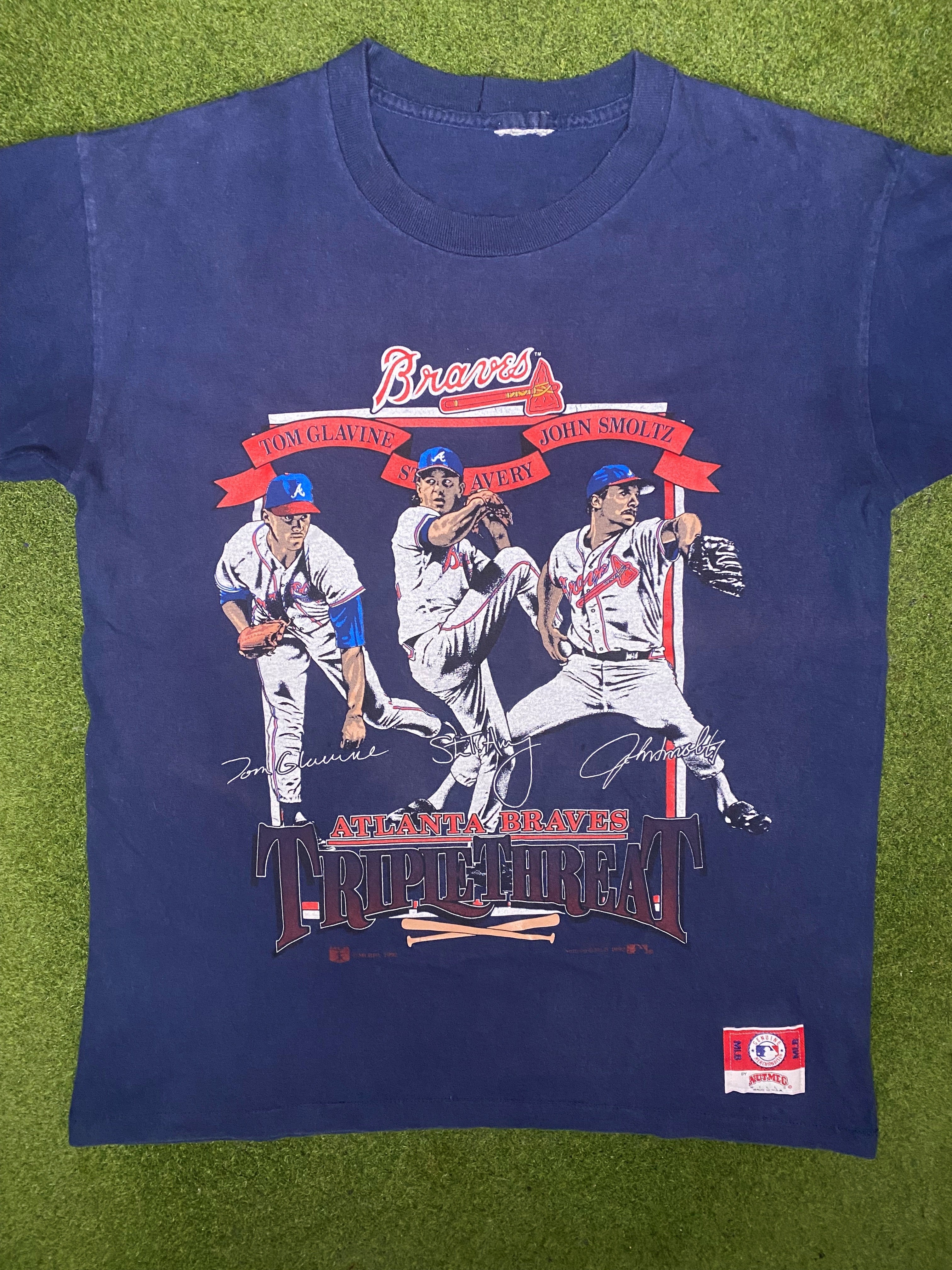
Original tags (like Starter, Adidas, or Lotto) mark the difference between vintage and reissue.
-
The fabrics and stitching from that era have a tactile quality modern clothes lack.
-
The imperfections — the creases, fading, and patina — tell stories of games, concerts, and eras gone by.
Collectors don’t just chase aesthetics — they chase the feeling.
That rush of nostalgia when neon meets nylon.
At Gametime Vintage, that’s exactly what we preserve — the history, craftsmanship, and charisma of sports fashion’s brightest era.
Conclusion: The Glow That Never Faded
The 1980s were about movement — on the court, on the field, and in fashion.
It was the decade where athletic gear became art, where athletes became icons, and where fans learned that dressing like their team could mean standing out.
The lights might dim, the games might end, but 80s sports fashion still shines — bold, bright, and unapologetically fun.
Because long before the sneaker drops and streetwear hype, the real fashion revolution happened under the halftime lights.