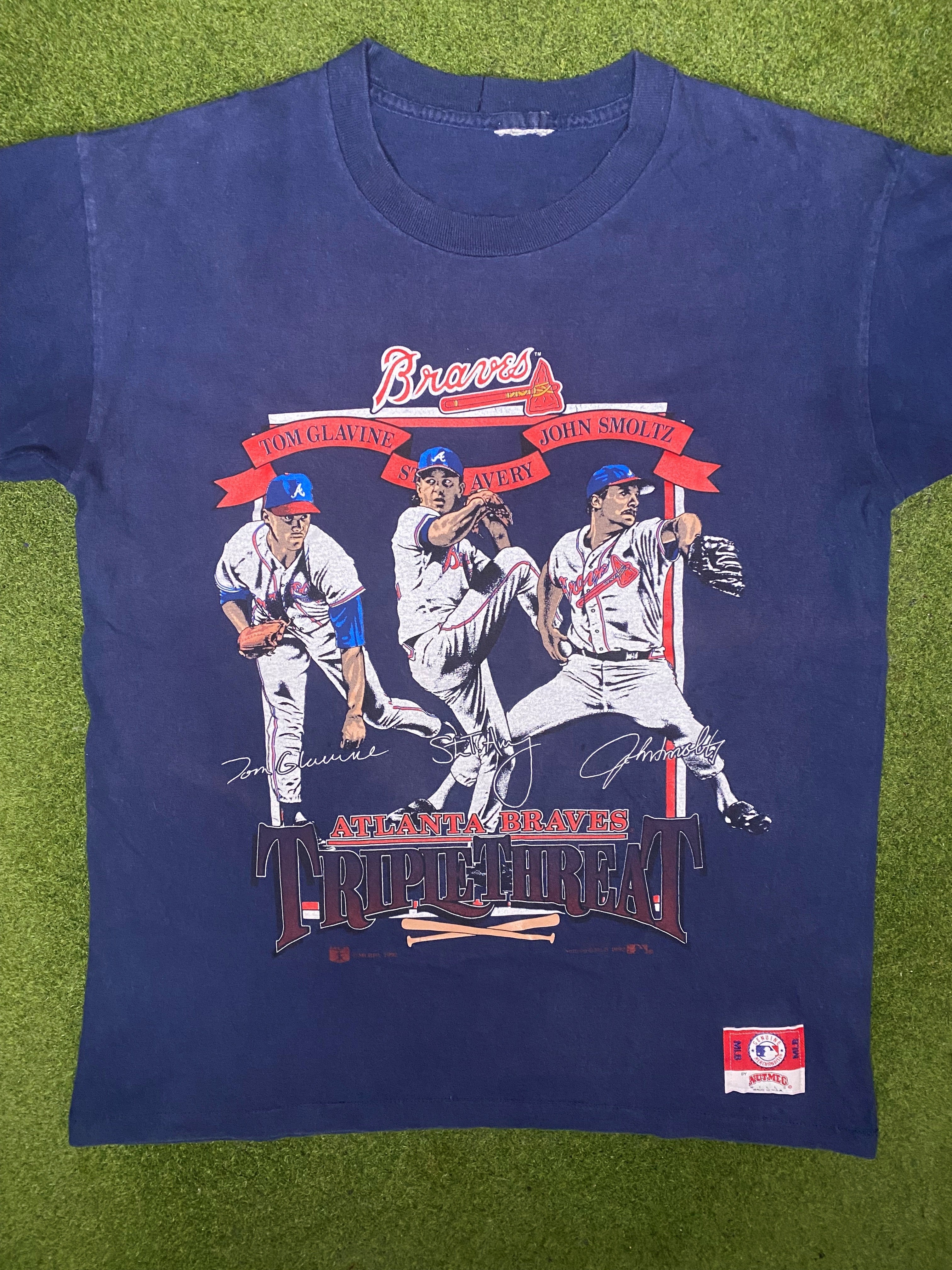
Grunge, Grit, and Game Time: How 90s Alternative Culture Collided with Sportswear
Introduction: When Flannel Met Fandom
The early 1990s were messy, loud, and rebellious — and that’s exactly why we loved them.
It was a decade where music, style, and sports all collided in unpredictable ways.
At the heart of it all? Grunge — the raw, unfiltered music movement that came roaring out of Seattle — and the unexpected role that sportswear played in shaping its look.
Long before “streetwear” became a fashion buzzword, thrifted flannels, worn-out jeans, and vintage sports tees became the uniform of a generation that didn’t care about rules.
This is the story of how 90s alternative culture accidentally made sportswear cool — and why that collision of grit and game still defines vintage style today.
The 90s Scene: Chaos Meets Authenticity
Grunge wasn’t born in a design studio. It was born in basements, garages, and rain-soaked stages across the Pacific Northwest.
-
Bands like Nirvana, Pearl Jam, Soundgarden, and Alice in Chains rejected the polished excess of the 80s.
-
Their look was an unintentional statement — thrifted, worn, and real.
-
Fans and artists alike valued authenticity over aesthetics.
What emerged was a visual identity built around comfort, chaos, and rebellion — and sportswear happened to fit right in.
The Accidental Aesthetic: Vintage Sportswear in the Grunge Wardrobe
Step into any Seattle thrift store circa 1993, and you’d find racks filled with oversized college sweatshirts, old team jackets, and faded sports tees — relics from the 70s, 80s, and 90s.
Why did grunge kids wear them?
Because they were cheap, durable, and unpretentious.
-
Champion and Russell Athletic crewnecks became essentials — cozy, boxy, and often featuring random universities.
-
Old NBA or NFL tees added color to the otherwise muted flannel-heavy wardrobe.
-
Starter jackets — shiny, oversized, and loaded with nostalgia — were adopted ironically, then unironically.
Grunge wasn’t about fashion — but in rejecting it, they created a look that would later define 90s streetwear.
The Seattle Influence: Where Sports and Sound Intersected
Seattle wasn’t just the birthplace of grunge — it was a sports town through and through.
-
The Seattle SuperSonics, Mariners, and Seahawks had deeply loyal fanbases.
-
Sonics gear — especially the green-and-yellow or later black-and-red era — was everywhere.
-
Local musicians wore team merch onstage, in interviews, and in videos.
That hometown pride blended seamlessly with grunge’s DIY energy. Wearing a vintage sports tee wasn’t corporate — it was local.
It symbolized community, not consumerism — something both music fans and sports fans could relate to.
The Soundtrack of Rebellion: How Grunge Made “Worn-Out” Cool
Grunge musicians didn’t look like rock stars. They looked like real people.
-
Kurt Cobain wore secondhand sweaters, baggy jeans, and thrifted cardigans.
-
Eddie Vedder often performed in college crewnecks and flannel, sweating through layers onstage.
-
Chris Cornell mixed rugged workwear with athletic pieces for a laid-back yet powerful look.
Their fans followed suit — literally.
Thrift stores in every city suddenly became treasure hunts for authentic vintage sportswear.
The message was simple: You didn’t need money or status to have style — you just needed attitude.
Fashion’s Reaction: From Runways to Record Stores
Grunge was supposed to be anti-fashion. Ironically, it became one of the most influential fashion movements of all time.
By the mid-90s, major brands took notice:
-
Calvin Klein, Marc Jacobs, and DKNY began incorporating oversized flannels, distressed fabrics, and sporty silhouettes into their collections.
-
Magazines featured models wearing mixes of collegiate crewnecks, band tees, and varsity jackets.
-
The line between “mall wear” and “mosh pit wear” blurred completely.
What began as rebellion had turned into mainstream aesthetic — but the original pieces (authentic vintage sportswear) remained the real deal.
The Starter Jacket Phenomenon
Even though grunge leaned into muted tones, one item transcended every genre: the Starter jacket.
-
Its shiny satin finish and oversized team logos made it pop — whether you were in a stadium or a dive bar.
-
Both hip-hop and grunge adopted it, creating a rare crossover in youth culture.
-
The jacket became a unifying symbol of 90s authenticity — ironic, cool, and unmistakable.
You could see a Bulls jacket at a Nirvana concert and a Sonics one at a Wu-Tang show.
The logo didn’t matter — the vintage energy did.
Why the Grunge x Sportswear Crossover Worked
At first glance, it seems strange — flannel and football gear don’t naturally go together.
But culturally, they clicked.
-
Both celebrated rebellion.
Grunge rejected glam rock; vintage sportswear rejected fast fashion. -
Both were rooted in nostalgia.
Old sports logos and faded band tees both told stories. -
Both thrived on individuality.
Every thrifted piece was unique — no two looked exactly alike.
The crossover wasn’t curated — it was authentic chaos, and that’s exactly why it became timeless.
The Role of Thrift Culture
The thrift store became the 90s version of a sneaker boutique.
-
Before Depop or eBay, fans scoured racks for old college sweatshirts, game-day jackets, and worn-in team hats.
-
It wasn’t about brand loyalty — it was about texture, tone, and story.
-
The faded colors and cracked prints gave each piece character — the kind of patina new clothes couldn’t replicate.
The idea that used clothing could be cool changed everything.
It planted the seeds for today’s vintage and sustainable fashion movements.
The Legacy: From Kurt Cobain to Today’s Streetwear
Fast-forward to now, and the grunge x sportswear connection is everywhere again.
-
Modern brands like Kith, Fear of God, and Aimé Leon Dore borrow heavily from this 90s aesthetic — mixing luxury fabrics with vintage athletic silhouettes.
-
Vintage sellers (like Gametime Vintage) keep the authentic history alive with original Champion, Russell, and Starter pieces.
-
Artists from Post Malone to Billie Eilish embrace the same “oversized comfort meets chaos” vibe that Cobain made famous.
The difference? Today it’s intentional.
Back then, it was just life.
The Most Iconic Looks Born from the Crossover
-
Flannel Over Crewneck – A worn college sweatshirt under an open plaid shirt: pure 90s.
-
Ripped Jeans + Starter Jacket – The perfect balance of rebellion and nostalgia.
-
Band Tee + Team Hat – Where fandom meets fandom.
-
Layered Vintage Sports Tees – DIY fashion before DIY was a trend.
-
Doc Martens + Crew Socks – Grounded chaos that tied the look together.
Every combination told a story of a generation that mixed worlds without caring about boundaries.
Why It Still Resonates Today
The 90s grunge-meets-sportswear aesthetic hits differently in 2025 for one key reason: authenticity sells.
-
People crave meaning, history, and individuality.
-
Vintage sportswear isn’t mass-produced — it’s one-of-a-kind.
-
It represents rebellion in an era of algorithms.
In a world that feels overly polished, those faded college crewnecks, oversized Sonics tees, and cracked logos remind us of a time when imperfection was the point.
Conclusion: The Beauty in the Mess
The 90s didn’t plan this style revolution — it just happened.
Grunge wanted to break from the mainstream, and in doing so, it accidentally reshaped fashion.
When flannel met fandom, a new kind of authenticity was born — gritty, comfortable, and unapologetically real.
And decades later, the echoes still ring.
Every time someone pulls on a vintage sports tee under a flannel, they’re not just dressing like the 90s — they’re keeping that spirit alive.
Because the magic of vintage isn’t perfection.
It’s the history, the wear, and the reminder that sometimes the best styles are the ones nobody meant to create.