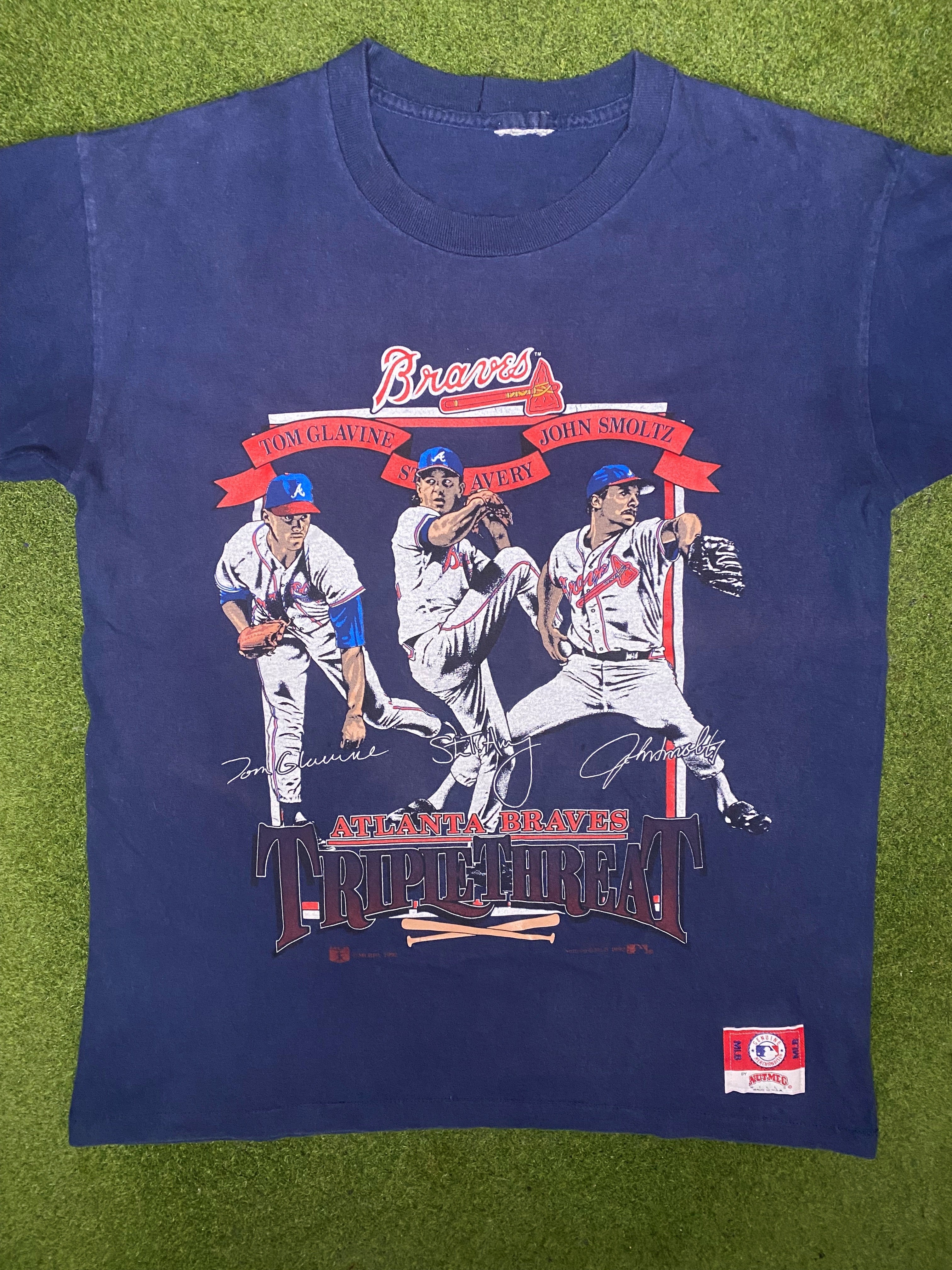
From Stadium Seats to Street Fashion: The Rise of Vintage Fan Gear
Introduction: When Fandom Became Fashion
There’s something timeless about a fan in team colors — the sea of jerseys, the roaring chants, the camaraderie.
But in recent decades, fan gear has evolved far beyond the bleachers.
What began as stadium souvenirs — pennants, foam fingers, and oversized sweatshirts — has transformed into fashion statements and cultural artifacts.
Today, vintage fan apparel isn’t just about cheering for your team — it’s about wearing your memories.
From the satin Starter jackets of the 90s to retro college crewnecks, fan gear has become one of the most collectible and expressive categories in vintage fashion.
Let’s trace how it went from the stands to the streets — and why fans can’t stop wearing their loyalty.
The Early Days: Pride Over Product (1940s–1960s)
Before the big leagues sold branded gear at every corner, fandom was local, handmade, and simple.
-
In the 1940s and 50s, fans often wore homemade pennants, scarves, or stitched team initials on sweaters.
-
Stadiums sold felt caps, enamel pins, and basic tees, but mass-produced apparel was rare.
-
Supporting your team wasn’t a fashion statement — it was a civic badge of honor.
The designs were minimalist, often featuring a single letter or small mascot emblem.
But even then, people understood something powerful: wearing your team meant belonging to something bigger.
The 1970s: The Dawn of Licensed Fanwear
As television turned sports into national entertainment, fan fashion started to scale.
-
Brands like Russell Athletic, Rawlings, and Champion began partnering with universities and pro leagues.
-
Licensed T-shirts, sweatshirts, and caps became widely available.
-
Fans could finally wear the same logos they saw on TV — officially.
This was the start of the merchandise revolution.
Teams realized their logos weren’t just for uniforms — they were valuable brands.
Colleges followed suit, selling apparel to alumni, students, and fans nationwide.
By the end of the 70s, the idea of wearing sports logos casually was no longer strange — it was stylish.
The 1980s: Color, Confidence, and Culture
The 80s introduced boldness — in both design and fandom.
-
Sports apparel became colorful, graphic-heavy, and television-friendly.
-
Polyester jackets, mesh hats, and nylon pullovers dominated tailgates and gym classes alike.
-
Starter, Adidas, and Nike began flooding the market with licensed fan apparel.
The Starter Boom Begins
Starter recognized a shift — fans didn’t just want team gear; they wanted fashionable fan gear.
Their glossy satin jackets with oversized logos turned heads everywhere.
From Little League bleachers to MTV, the Starter jacket became an American status symbol.
Fans were no longer dressing like their teams — they were styling their fandom.
The 1990s: The Golden Era of Fan Fashion
If the 80s introduced licensed fanwear, the 90s perfected it.
Team Spirit Meets Streetwear
-
The Chicago Bulls, Charlotte Hornets, Dallas Cowboys, and New York Yankees became fashion empires.
-
Their logos weren’t just sports symbols — they were style icons.
-
Hip-hop culture embraced fan gear, wearing it proudly in videos and concerts.
Starter jackets, snapbacks, and oversized jerseys defined the look of a generation.
A Bulls jacket or Hornets cap wasn’t just game-day attire — it was everyday drip.
NCAA Powerhouses
College fans joined in too.
-
Michigan, UNC, Georgetown, and Notre Dame crewnecks were must-haves on campuses.
-
Vintage college apparel became status pieces, blending school pride with street culture.
The 90s made sports fandom fashionable — and accessible to everyone.
The Brands That Defined Fan Style
A few names dominated the fan gear landscape — and their vintage pieces remain highly sought after today:
-
Starter – The undisputed king of the 90s. Its satin jackets remain one of the most collectible fan fashion items.
-
Champion – Known for heavyweight sweatshirts and college licensing dominance.
-
Logo Athletic – Rivaled Starter with its iconic “Sharktooth” and “Splash” hat designs.
-
Nike – Revolutionized athletic wear, introducing fan jerseys that looked like pro gear.
-
Russell Athletic – The workhorse of collegiate apparel, outfitting locker rooms and fans alike.
Each brand represented a distinct flavor of fandom — whether polished, gritty, or grassroots.
The 2000s: Minimalism Meets Mass Production
By the early 2000s, fan fashion shifted gears.
-
Simplified branding replaced the loud, graphic-heavy designs of the 90s.
-
Team stores and big-box retailers flooded the market with mass-produced gear.
-
While accessibility increased, individuality decreased.
Fans could find their team’s logo anywhere — but something was missing: the character and craftsmanship that made earlier fan gear iconic.
The Vintage Revival: Nostalgia Never Loses
Enter the modern era, where vintage fan gear reigns supreme.
Why the Comeback?
-
Authenticity – Vintage pieces were made with quality and passion, not templates.
-
Nostalgia – Wearing a 90s Hornets jacket or a vintage Michigan crewneck instantly transports fans back in time.
-
Cultural Crossovers – Musicians, influencers, and athletes now rock throwback gear, giving it new life.
-
Sustainability – Recycled fashion meets retro aesthetics — a win for the planet and for style.
At Gametime Vintage, we see it daily: fans hunting for that perfect old-school crewneck, satin jacket, or logo hoodie that feels both nostalgic and new.
Vintage fanwear isn’t a trend — it’s a time machine.
The Streetwear Connection: Sports Meets Lifestyle
Modern streetwear owes a massive debt to vintage fan fashion.
-
Brands like Supreme, Fear of God, and Kith all borrow heavily from 90s sports aesthetics.
-
The idea of wearing sports logos as lifestyle wear started with the fans — not the pros.
-
Today’s limited-edition drops mimic the excitement of scoring vintage pieces.
From the Bulls red to Raiders black-and-silver, sports colors became cultural codes — recognized worldwide.
The Psychology of Wearing a Team
Fandom runs deeper than fabric. Wearing vintage fan gear does more than show team loyalty — it taps into emotion.
-
Belonging – It signals community, even across generations.
-
Identity – Fans associate their teams with personal milestones and memories.
-
Emotion – The logo becomes shorthand for pride, heartbreak, and triumph.
When someone wears a cracked-print Yankees tee or a faded Lakers crewneck, they’re wearing more than a logo — they’re wearing a lifetime of moments.
Iconic Eras in Fan Gear Design
| Decade | Design Traits | Cultural Influence |
|---|---|---|
| 1950s–60s | Simple block letters, handmade embroidery | Local pride, postwar optimism |
| 1970s | Bold colors, first licensing deals | TV sports era begins |
| 1980s | Polyester jackets, flashy colorways | Starter and Adidas rise |
| 1990s | Oversized logos, graphic prints, snapbacks | Golden age of fan fashion |
| 2000s–Present | Minimalist designs, throwback revivals | Nostalgia and sustainability |
Every decade tells a story — of culture, design, and the evolving relationship between fans and fashion.
The Collector’s Market: Old School, Big Value
Vintage fan gear has become a booming collector’s scene.
-
Original Starter jackets from the 80s–90s often resell for hundreds of dollars.
-
Defunct teams like the Hartford Whalers or Montreal Expos are especially valuable.
-
Limited-edition bowl game crewnecks and Final Four tees are prized for their rarity.
Collectors chase authenticity — true vintage pieces with aged logos, tags, and wear.
Every cracked print and faded stitch adds to its story.
Why Vintage Fan Gear Is More Relevant Than Ever
In an era dominated by digital fandom, tangible connection matters more than ever.
-
Wearing old-school gear grounds fans in real memories — a tactile connection to moments before hashtags.
-
It bridges generations — a father’s 1996 Braves sweatshirt becomes his son’s streetwear statement.
-
It symbolizes timeless passion — for the game, the team, and the era that shaped you.
The beauty of vintage is that it never really ages — it just gains more character.
Conclusion: From the Bleachers to the Runway
The journey of fan gear mirrors the journey of sports itself — from small-town pride to global culture.
What started as humble souvenirs became a worldwide fashion language.
Today, whether you’re wearing a faded college crewneck, a 90s NBA jacket, or an old MLB cap, you’re part of a story that spans generations.
Because fandom isn’t just about who you cheer for — it’s about what those colors mean to you.
And every time you zip up that vintage jacket, you’re not just repping your team —
you’re keeping the history of sports style alive.