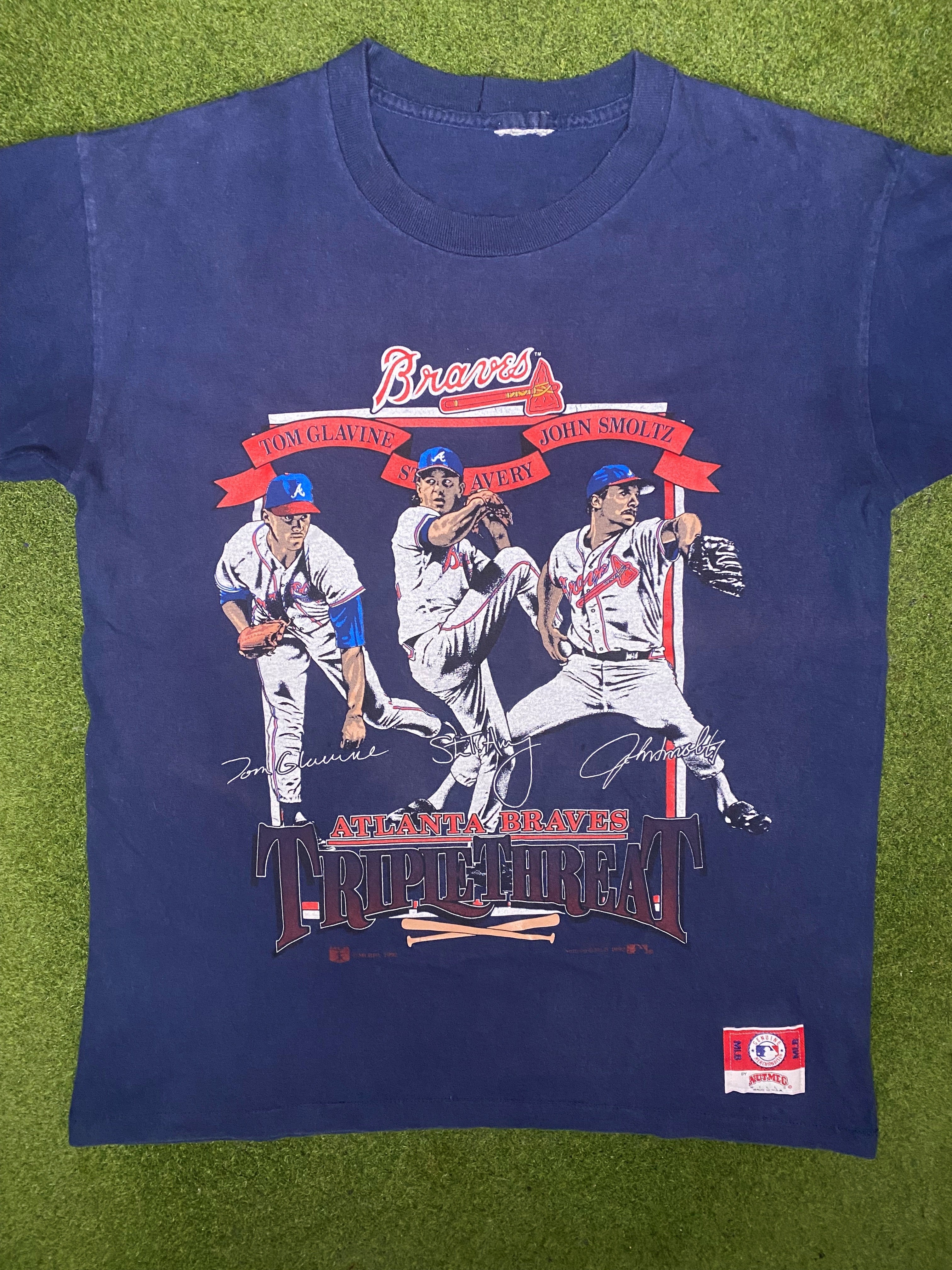
From Locker Room to Playlist: How Sports Shaped 90s Hip-Hop Fashion
Introduction: Where Sports and Sound Collided
The 1990s were a golden era — not just for music or sports, but for culture itself.
It was a time when stadiums, street corners, and recording studios all spoke the same language: swagger.
And no two worlds collided more powerfully than sports and hip-hop.
From the oversized NBA jerseys in rap videos to the Starter jackets on album covers, the fashion born in the locker rooms found new life on the playlists. Hip-hop didn’t just borrow from sports culture — it redefined it, transforming team gear into symbols of pride, hustle, and identity.
This is the story of how 90s hip-hop turned sportswear into streetwear, and why its influence still shapes global fashion today.
The Roots: Sports and Hip-Hop Grow Up Together
Before the 1990s, the link between music and sports had always existed — but it was understated.
-
1970s–80s: Early hip-hop acts like The Sugarhill Gang and RUN-D.M.C. repped Adidas tracksuits and sneakers, blending athleticism and attitude.
-
Basketball culture — especially in New York — was inseparable from hip-hop’s birth.
-
Both movements came from the streets, built on rhythm, competition, and expression.
By the time the 1990s hit, hip-hop had gone mainstream — and so had sports fashion.
The Jersey Revolution: Repping Teams Like Artists
If you were a rap fan in the 90s, you remember this: oversized jerseys everywhere.
-
NBA and NFL jerseys became the go-to look for rappers, DJs, and fans alike.
-
Artists like Tupac, Nas, Biggie Smalls, LL Cool J, and Jay-Z wore jerseys from the Bulls, Raiders, Hornets, and Yankees — not just as fans, but as icons.
-
Mitchell & Ness throwback jerseys became symbols of authenticity and vintage pride before “vintage” was even cool.
Why Jerseys Worked
-
Team = Identity – Repping your city’s team was like repping your block.
-
Colors & Graphics – Bold logos and colors stood out in music videos.
-
Accessibility – Fans could buy the same gear their favorite rappers wore.
In hip-hop, jerseys weren’t uniforms — they were statements.
The Starter Jacket Era: When Team Pride Met Street Cred
Nothing screamed 90s hip-hop more than a Starter jacket.
-
Worn by rappers like Kris Kross, Ice Cube, Eazy-E, and Public Enemy.
-
Jackets featured bold team logos — Bulls, Raiders, Knicks, Lakers — and a glossy satin finish.
-
The “Look for the Star” logo became a cultural badge of authenticity.
Starter jackets became so coveted that they transcended fashion — they were status symbols.
Hip-hop artists turned them from stadium staples into urban essentials.
The Rise of the Raiders: The Ultimate Crossover Symbol
If one team defined the hip-hop aesthetic, it was the Los Angeles Raiders.
-
Their black and silver colorway was sleek, tough, and perfectly matched the West Coast vibe.
-
Artists like N.W.A., Ice Cube, and Eazy-E made Raiders gear part of their signature look.
-
The Raiders logo became synonymous with rebellion and attitude.
Why It Worked:
The Raiders embodied everything hip-hop celebrated — raw energy, toughness, and authenticity.
It wasn’t just sports merch — it was street armor.
Basketball’s Influence: From Courtside to Center Stage
Basketball and hip-hop have always shared a rhythm.
-
Players like Allen Iverson blurred the line between athlete and rapper.
-
The NBA’s flashier era — bold warm-ups, baggy shorts, wristbands — inspired the same energy found in hip-hop style.
-
In return, rappers embraced the aesthetics of basketball culture — the swagger, the sneakers, and the spotlight.
Hip-hop turned the NBA tunnel into a runway years before it became an official fashion showcase.
Sneakers: The Soul of Hip-Hop and Sportswear
If jerseys were statements, sneakers were religion.
-
Air Jordans became the symbol of street status, bridging the gap between athletes and artists.
-
Run-D.M.C.’s “My Adidas” immortalized the relationship between sneakers and hip-hop.
-
Reebok, Fila, Nike, and Puma found new audiences through rappers who made their kicks part of their identity.
By the late 90s, sneaker collecting had gone from niche to lifestyle — all thanks to the fusion of sports performance and rap personality.
The Role of Music Videos and Magazines
Before social media, fans looked to music videos and magazines to see what was cool.
-
Yo! MTV Raps, The Source, and Vibe showcased artists rocking team apparel and sneakers.
-
Every new video set trends: oversized jerseys, Starter pullovers, and snapback hats dominated.
-
The aesthetic spread globally, influencing urban fashion scenes from London to Tokyo.
The visuals of the 90s embedded sports culture deep into hip-hop’s DNA.
Brands That Defined the Movement
Several brands became cornerstones of the hip-hop x sportswear connection:
-
Starter – The official team jacket of the streets.
-
Champion – Oversized college crewnecks and hoodies became casual essentials.
-
Nike – Air Force 1s and Air Jordans turned sneakers into icons.
-
Adidas – From tracksuits to shell-toes, Adidas was a hip-hop staple.
-
Reebok – Allen Iverson’s “The Question” became a rap favorite.
Each brand played a role in turning athletic wear into cultural currency.
Hip-Hop Artists as Style Icons
The 90s birthed the first generation of rappers who were also fashion trendsetters.
-
Tupac Shakur mixed sportswear with denim and bandanas for a rebellious edge.
-
The Notorious B.I.G. balanced luxury Coogi sweaters with Knicks and Nets gear.
-
Nas rocked Yankees fits with minimalist street style.
-
Wu-Tang Clan embraced martial-arts themes but wore classic NBA warm-ups and puffer jackets.
Each artist personalized sports fashion — turning it from uniform to art form.
The Commercialization of Streetwear
By the late 1990s, sportswear’s popularity with hip-hop culture caught the attention of major corporations.
-
Brands began signing rappers as ambassadors.
-
FUBU, Sean John, and Rocawear blurred the line between streetwear and athletic wear.
-
The crossover paved the way for today’s billion-dollar collaborations (like Travis Scott x Jordan or Drake x Nike).
What started in local gyms and locker rooms became global fashion power.
The Legacy: How 90s Hip-Hop Fashion Shaped Today
The 90s sportswear era didn’t fade — it evolved.
-
Modern artists like Drake, Kendrick Lamar, and A$AP Rocky draw direct inspiration from 90s team gear.
-
Vintage jerseys, Starter jackets, and Champion crewnecks are back in demand.
-
The combination of sports authenticity and musical influence created a style that never truly went out of fashion.
Every time a rapper drops a sneaker collab or an NBA player walks the tunnel in streetwear, it’s a nod to that 90s connection between the game and the groove.
Why Vintage Sportswear Still Hits Different
There’s a reason vintage sports gear — from Bulls jackets to college sweatshirts — continues to sell out:
-
Authenticity – You can’t fake history.
-
Nostalgia – Fans crave the era where sports and hip-hop first collided.
-
Design – Bold logos, colors, and quality construction still stand out.
-
Cultural Weight – Every piece carries a story — of a song, a player, a moment.
Gametime Vintage celebrates that golden intersection — where music, movement, and memories live forever in fabric.
Conclusion: The Beat Goes On
The 90s taught the world something timeless: sportswear is culture.
What began in locker rooms ended up on stages, in videos, and across the world’s most iconic album covers.
Hip-hop didn’t just adopt sportswear — it amplified it, transformed it, and made it eternal.
So the next time you pull on a vintage NBA jersey or zip up a Starter jacket, remember: you’re wearing the rhythm of a generation.
You’re carrying the legacy of the 90s — a time when the game and the groove became one.