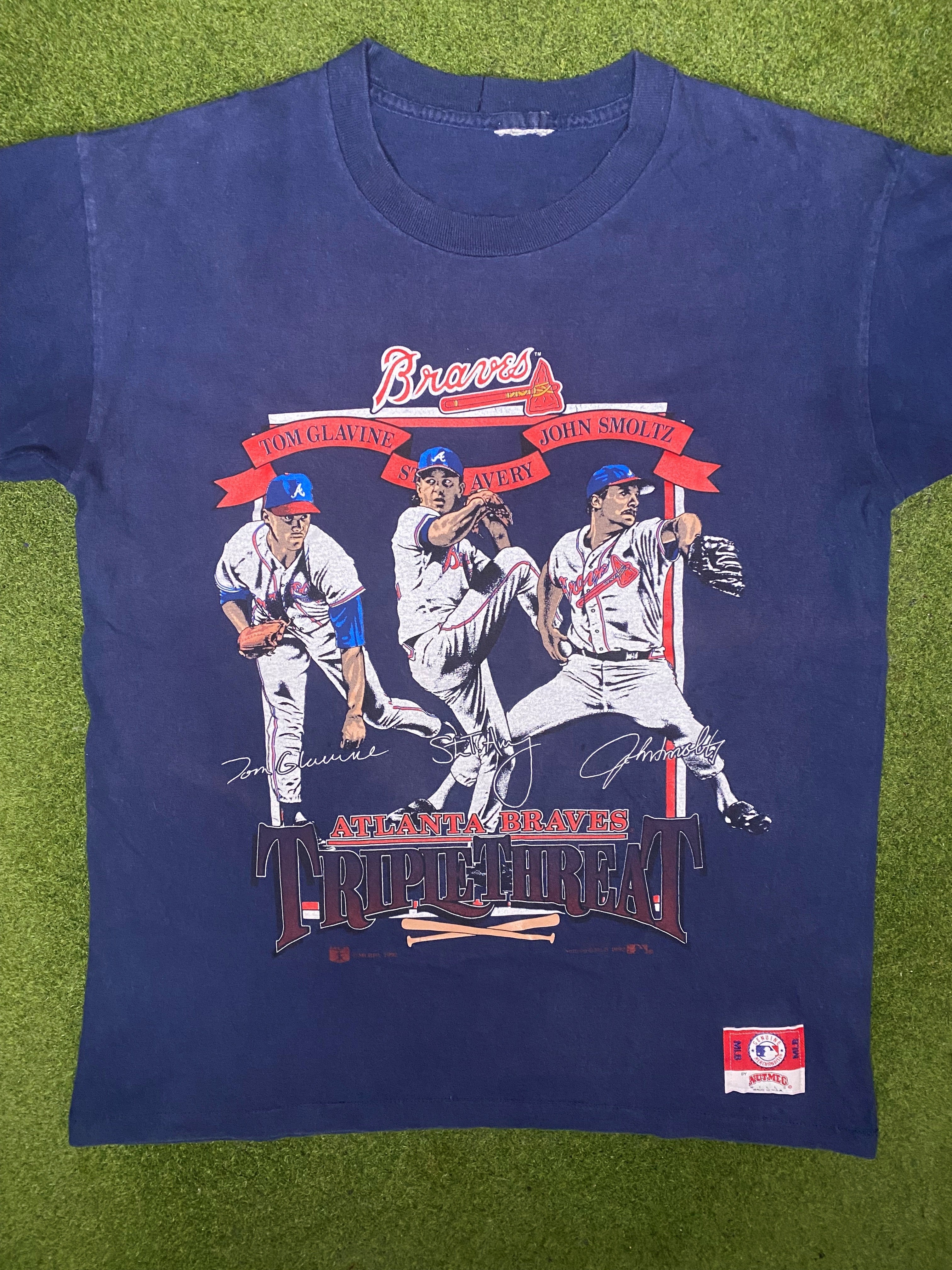
From Bleachers to Big Screens: How Sports Fans Built Modern Culture
Introduction: When Fans Became the Main Event
Before billion-dollar stadiums, before fantasy leagues, before highlight reels on your phone — there were fans.
Fans in the bleachers.
Fans in the living rooms.
Fans who painted their faces, waved towels, and wore their loyalty on their sleeves — literally.
They turned games into rituals, jerseys into uniforms, and moments into memories.
And somewhere along the way, they did something even bigger — they built modern culture.
At GametimeVintage.com, we celebrate that evolution — how fans turned sports from competition into community, and how vintage fashion continues to tell their story.
The Birth of Fandom: From the Stands to Society
The idea of being a “fan” — short for fanatic — started in the early 1900s.
Back then, sports were local and personal.
Fans didn’t just support teams — they belonged to them.
Families passed down loyalty like a last name.
You didn’t choose your team — you inherited it.
As cities grew and radio arrived, fandom spread.
By the 1950s and 60s, fans gathered around televisions like campfires.
By the 80s and 90s, they filled stadiums, wore team jackets to school, and decorated their bedrooms with posters and pennants.
Sports fandom became the glue that connected generations — and fashion became the flag that showed where you stood.
The 80s and 90s: When Sports Met Pop Culture
If the 60s gave us the fan, the 80s and 90s made the fan cool.
Sports stars became celebrities.
Games became global broadcasts.
And fans? They became trendsetters.
Think about it — Michael Jordan wasn’t just an athlete; he was a lifestyle.
The Starter jacket wasn’t just team gear; it was a status symbol.
Hip-hop videos featured Raiders gear, Hornets teal, and Bulls red.
The bleachers and the block started speaking the same language.
Every kid wanted a team cap. Every hallway had a logo. Every friend group had a debate.
That was the beauty of the 90s — fandom became fashion.
👉 Relive that golden age with authentic vintage 80s & 90s sports apparel from GametimeVintage.com.
How Fans Changed the Game
Fans didn’t just react to sports — they redefined them.
-
They built rituals: tailgates, chants, fight songs, wave patterns.
-
They shaped identity: team colors became life colors.
-
They influenced brands: from Nike and Adidas to Gatorade and Coca-Cola, companies learned that emotion sells.
-
They drove technology: broadcast networks, sports talk radio, and streaming platforms all evolved around fandom demand.
And through it all, one thing remained constant — fans wanted to wear their loyalty.
Jerseys, hats, and crewnecks became armor — reminders of where your heart belongs.
The Fashion of Fandom
Sports fashion isn’t just about teams — it’s about tribes.
From vintage satin jackets in the 80s to Champion crewnecks in the 90s, every era had its uniform.
Fans wore what players wore — and in doing so, blurred the line between athlete and audience.
-
The 90s Bulls made red and black unstoppable.
-
The Dallas Cowboys made silver and navy eternal.
-
The Charlotte Hornets made teal trendy before anyone else.
-
The Notre Dame Fighting Irish made gold a legacy.
Each color scheme became part of fashion history.
And as the years passed, fans who grew up in those decades kept their loyalty alive through the clothing they wore — or passed down.
Vintage sportswear isn’t just style — it’s memory made wearable.
The Digital Era: Fandom Without Borders
Today, fandom is global.
You can be a Lakers fan in London, a Yankees fan in Tokyo, or a Clemson fan in Colorado.
Social media turned fan communities into worldwide families.
Hashtags replaced handshakes, and memes replaced message boards.
But even as technology evolved, the symbols stayed the same — the logos, the jerseys, the colors.
That’s why vintage apparel still resonates: it connects fans to the roots of their devotion.
At Gametime Vintage, we bring that feeling back — through authentic, original pieces from the eras when fandom was pure and personal.
Why Vintage Keeps Fandom Alive
The beauty of vintage gear is that it carries the energy of the fans who wore it first.
Every faded print, every cracked logo, every worn collar tells a story:
the high-five after a comeback, the heartbreak after an overtime loss, the magic of a first game with your dad.
Modern replicas can’t recreate that — because they weren’t there.
When you wear an authentic vintage sweatshirt or jersey, you’re connecting to that moment — to the emotion that built the culture we still live in.
The players make the plays. But the fans make the meaning.
The Legacy: Fans as Storytellers
Today, fandom drives culture everywhere — in music, film, design, even politics.
But at its core, it’s still what it always was: people believing in something together.
Sports fandom gave us shared language. Shared fashion. Shared purpose.
It gave us memories that outlast seasons — and outfits that outlast trends.
That’s why vintage apparel is more than clothing — it’s storytelling. It’s community. It’s identity.
At Gametime Vintage, we keep those stories alive — one piece of history at a time.
👉 Explore the Collection and wear your fandom with pride.
Final Thoughts: From the Stands to Forever
From wooden bleachers to widescreens, from chalk scoreboards to LED stadiums — the one thing that’s never changed is us.
The fans. The dreamers. The voices that turn noise into legacy.
Sports may evolve, but the feeling doesn’t.
And through vintage fashion, that connection never fades.
Because culture didn’t build fandom — fandom built culture.
And it’s still doing it today.